
What Are Cool Roof Ratings?
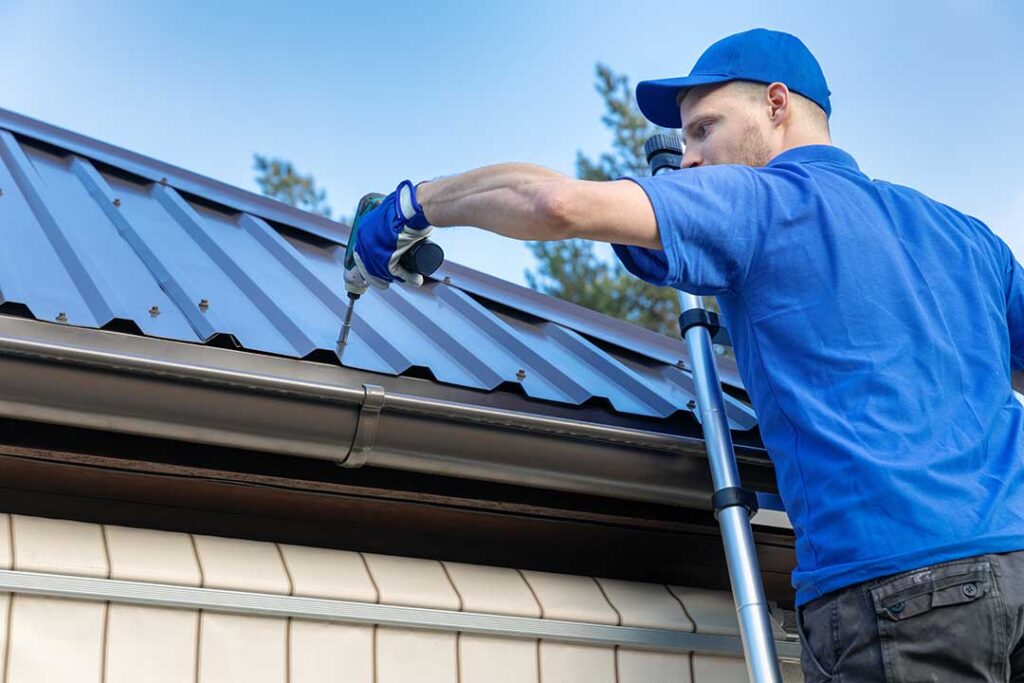
Cool roof ratings measure how well roofing materials reflect sunlight and release absorbed heat. The ratings are based on specific laboratory tests and are designed to help consumers, builders, and homeowners make more informed decisions about roofing materials. For residents in Bloomfield, NY, where summers can be warm and winters cold, understanding these ratings is important for making energy-efficient and climate-appropriate choices.
Why Should Local Residents Care About Cool Roof Ratings?
Cool roofs can make a noticeable difference in indoor comfort and cooling energy costs. In a typical Bloomfield summer, dark or non-reflective roofs can absorb a significant amount of heat, raising attic and living space temperatures. Roofs with higher cool roof ratings reduce this heat gain, which can:
- Lower summer air conditioning costs
- Improve overall home comfort, especially in upper levels or homes without central AC
- Contribute to slowing local urban heat buildup in densely populated areas
These benefits may be more pronounced in homes with inadequate attic insulation, older roof designs, or larger roof surfaces exposed to direct sun.
How Are Cool Roof Ratings Measured?
Cool roof ratings are primarily determined based on two main properties: solar reflectance and thermal emittance.
- Solar Reflectance: This is the fraction of the sun’s energy that is reflected by the roof’s surface. It is measured on a scale from 0 (no reflection, all heat absorbed) to 1 (total reflection, no heat absorbed). High reflectance means less solar energy is absorbed.
- Thermal Emittance: This measures how effectively a material releases absorbed heat. It also ranges from 0 to 1. A high emittance material will cool off more quickly when the sun isn't shining.
Laboratory tests, such as those set by the Cool Roof Rating Council (CRRC), determine these values for specific roofing materials and colors. Roofing products are typically labeled with these scores so area homeowners can compare options.
What Do These Ratings Mean for Homes in Bloomfield?
In Bloomfield, summer temperatures are often moderate but can trend toward the hot and humid side during July and August. A roof with a high cool roof rating can reduce the amount of heat entering the home on sunny, warm days. This is especially helpful for households that:
- Use window air conditioning units or older HVAC systems
- Have finished spaces directly under the roofline, such as attics or lofts
- Notice upstairs rooms become uncomfortably warm in summer
However, it’s worth noting that excessive roof reflectivity isn’t always preferred in areas with very cold winters. Heat retention from a darker roof can be slightly beneficial during the winter heating season in regions with heavy snowfall or persistent cold. In Bloomfield, which experiences both summer warmth and cold winters, a balanced approach—considering insulation quality, attic ventilation, and household energy use patterns—tends to be most effective.
Are Cool Roof Ratings Standardized or Regulated?
There is no universal legal requirement for minimum cool roof ratings on single-family homes in Bloomfield. However, some roofing products are listed and tested by independent organizations, such as the Cool Roof Rating Council (CRRC), which provides an accessible product directory online.
For large buildings or new construction, some building energy codes or programs may recommend or incentivize using highly reflective roofing. This is less common in single-family neighborhoods, but local regulations and utility incentives can change over time.
Residents should look for products with credible, third-party cool roof ratings, rather than relying on claims of "energy-efficient" or "green" without test results.
Common Misconceptions About Cool Roofs
It’s easy to misinterpret label ratings or overestimate potential savings. Here are a few things local homeowners sometimes misunderstand:
- Myth: All light-colored roofs are “cool.” – Color is only part of the equation. Two light gray shingles might have very different solar reflectance scores depending on the specific material and finish.
- Misconception: Only metal roofs can be “cool.” – Many types of shingles, tiles, and even some asphalt products can have high reflectance ratings due to special coatings or surface treatments.
- Assumption: Higher ratings always mean lower bills. – The real impact depends on how much of your home’s heat gain comes from the roof versus windows, walls, or poor insulation. In well-insulated homes, the difference may be more subtle.
What Should You Look For When Comparing Roofing Options Locally?
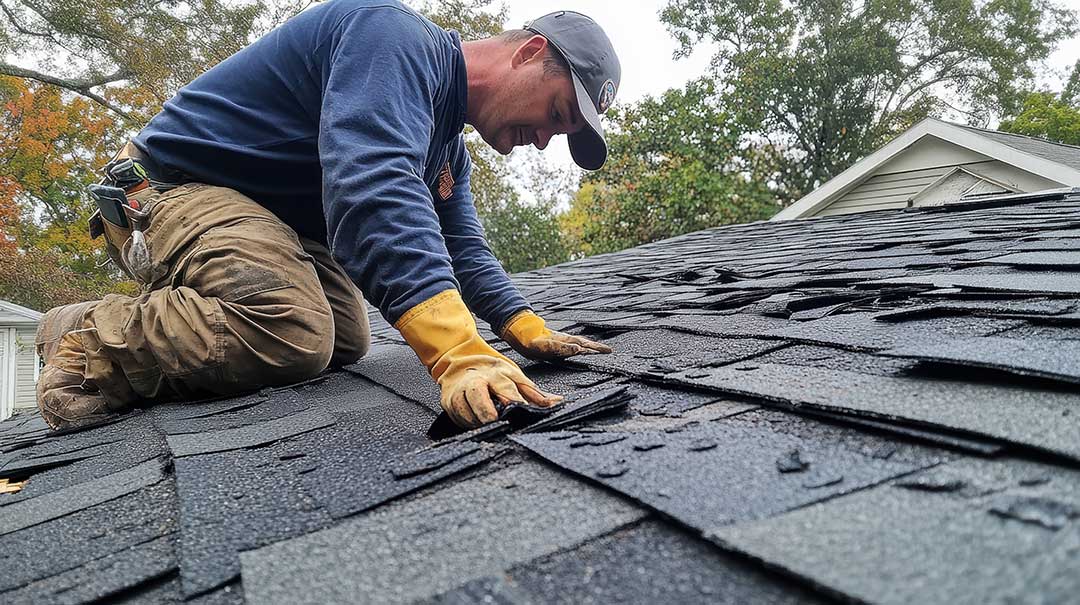
When considering roofing material for a home in Bloomfield, comparing labels is helpful, but also consider:
- The specific cool roof rating (solar reflectance and thermal emittance)
- How those ratings compare for the same color across multiple products
- The typical weather exposure (direct sun vs. shaded areas)
- How much attic or upper-level heat is currently a problem in your home
- Whether energy costs or summer comfort are primary concerns
Discussing materials with a knowledgeable roofing supplier or reviewing independent product directories can help clarify the actual performance differences.
Are There Any Practical Limitations or Drawbacks?
While cool roofing can benefit local homes, there are a few considerations:
- Some highly reflective materials may show dirt and stains more quickly
- Glare can be an issue with very light or reflective surfaces near tall neighboring homes or in close-set housing
- Cost differences between standard and high-rated cool roofing can vary, though many products are priced comparably
Careful selection helps area households match the right balance of performance, aesthetics, and cost.
How Can Bloomfield Residents Maximize Roof Energy Performance?
In Bloomfield, maximizing roof energy performance goes beyond just choosing a high-rated product. Also consider:
- Ensuring attic insulation meets or exceeds recommended R-values for the region
- Checking that attic spaces are well ventilated to reduce heat buildup
- Managing shading from trees or landscaping—both for energy benefits and roof life
Combining these strategies with thoughtful use of cool roof ratings can bring the most comfort and efficiency to local homes, especially during those sunny summer stretches.
