
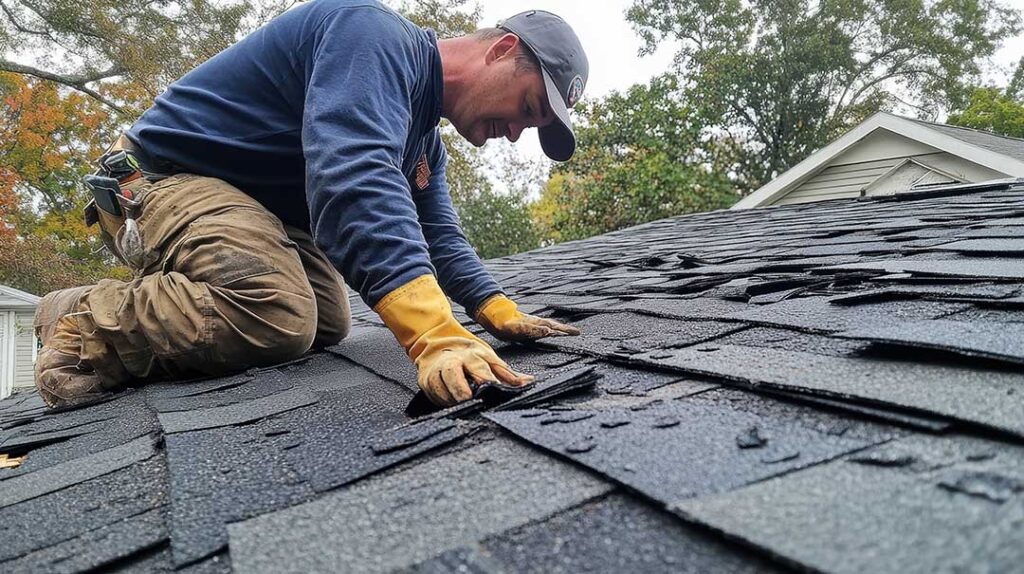
What Should Homeowners in Bloomfield, NY Do First After Discovering Roof Damage?
The immediate priority for any area household that notices roof damage—whether from storms, falling branches, or leaks—is to stay safe and prevent further water from entering the home. If water is actively leaking inside, move furniture and valuables out of the affected area if it’s safe to do so. Use buckets or containers to catch dripping water and lay towels or tarps on the floor to guard against further damage.
For those living in Bloomfield, seasonal storms—especially in late spring and early fall—can bring sudden wind gusts or heavy rain that cause shingles to lift or branches to fall. Quick, calm action to prevent water from spreading is often the most effective first step while awaiting repair.
When Is It Unsafe to Inspect Roof Damage Yourself?
Climbing on a damaged or wet roof can be dangerous, particularly if there are visible signs of structural weakness, sagging, or downed power lines. Residents should avoid any attempt to walk on the roof if:
- Shingles are missing in large sections, exposing the decking
- The roof appears bowed, caved in, or spongy under foot
- There’s ongoing lightning or severe wind
In these situations, prioritizing safety means inspecting from the ground with binoculars or from an upper-story window if possible. Local households often rely on their own visual checks, but if there’s any doubt, waiting for conditions to stabilize or seeking further community guidance may be needed for safety.
How Can You Make Temporary Repairs to Reduce Water Damage?
Once it’s safe, temporary roof patching can help minimize water entry until full repairs are possible. Heavy-duty plastic sheeting, duct tape, and roofing tar can form a makeshift barrier over gaps or missing shingles. In Bloomfield’s frequent rainy springs and snowy winters, positioning a tarp over exposed areas can be a practical emergency fix.
Steps for a simple temporary patch:
- Wait for weather to clear and the roof to dry to reduce slipping risk
- Lay a tarp over the damaged section, extending it several feet up and down-slope from the opening
- Anchor the tarp’s edges securely with wood boards or bricks, weighing it down and preventing wind from dislodging it
- Avoid using nails or staples directly into the roof if possible, as this may worsen leaks
While not a permanent solution, such measures are often enough to protect interiors from additional rain or melting snow until repairs are made.
What Local Materials and Tools Are Useful for Emergency Repairs?
Many Bloomfield area residents keep a few emergency roofing supplies on hand, as roof issues often occur during evenings or weekends when stores may be closed. Useful supplies for homeowners include:
- Heavy-duty tarps (look for sizes at least 6×8 feet)
- Waterproof duct tape
- Roofing cement or sealant in caulk tubes
- Spare shingles, if possible
- Work gloves, a sturdy ladder, and a flashlight for safe inspection
Storing these items in an easily accessible garage or basement can allow for a quick response after sudden weather events or tree damage.
What Common Mistakes Make Roof Emergencies Worse?
Rushing into roof repairs without basic safety precautions can result in injury or additional home damage. Typical local mistakes include:
- Attempting to patch leaks during active storms or at night without proper lighting
- Using inadequate materials, like thin plastic, that don’t withstand wind or extended moisture
- Leaving heavy debris (such as large branches) in place, which can stress the roof further
- Forgetting to secure tarps, which can lead to new leaks if wind dislodges them

Patience and careful preparation—waiting for safe conditions and double-checking temporary fixes—usually provides better results than a hurried approach, especially during the blustery spring and unpredictable autumn weather that Bloomfield experiences.
What Documentation Helps with Insurance and Repairs Later?
Taking clear photos of all roof damage, both from inside (showing leaks or ceiling spots) and outside (showing missing shingles, debris, or visible holes), can support insurance claims or guide repair work. Keeping a written log of the date, time, and event that caused the problem—including descriptions of wind, rain, or impacts—can also prove useful.
Many local residents overlook the value of this documentation during an emergency, but clear records make insurance processes smoother and help contractors understand the necessary repairs. Store these records in a safe, easily accessible place—even if simply as photos and notes on a phone.
What Are the Seasonal Risks Facing Bloomfield Roofs?
Roofs in Bloomfield face several seasonal threats: heavy snow and ice in winter, wind-driven rain in spring and late summer, and falling branches from frequent storms. Snow buildup can trigger ice dams, forcing water under shingles, while springtime gusts may strip away older shingles or scatter debris.
Long-term residents often check roofs and clean gutters before and after these periods to reduce the risk of an urgent situation. Removing low-hanging branches and ensuring attic insulation is adequate can help defend against both snow and wind emergencies.
When Are Professional Repairs Absolutely Necessary?
Some emergency roof situations are too risky or complicated for do-it-yourself fixes. Cases that genuinely require outside help include:
- Significant structural damage or partial roof collapse
- Large-scale leaks entering electrical systems
- Widespread missing shingles exposing large areas of sheathing
- Discovery of mold or electrical hazards in attic spaces
In these instances, prioritizing the safety of residents and the home itself means pausing any repair attempts and seeking further advice from local authorities or municipal services who can provide safe next steps.
