
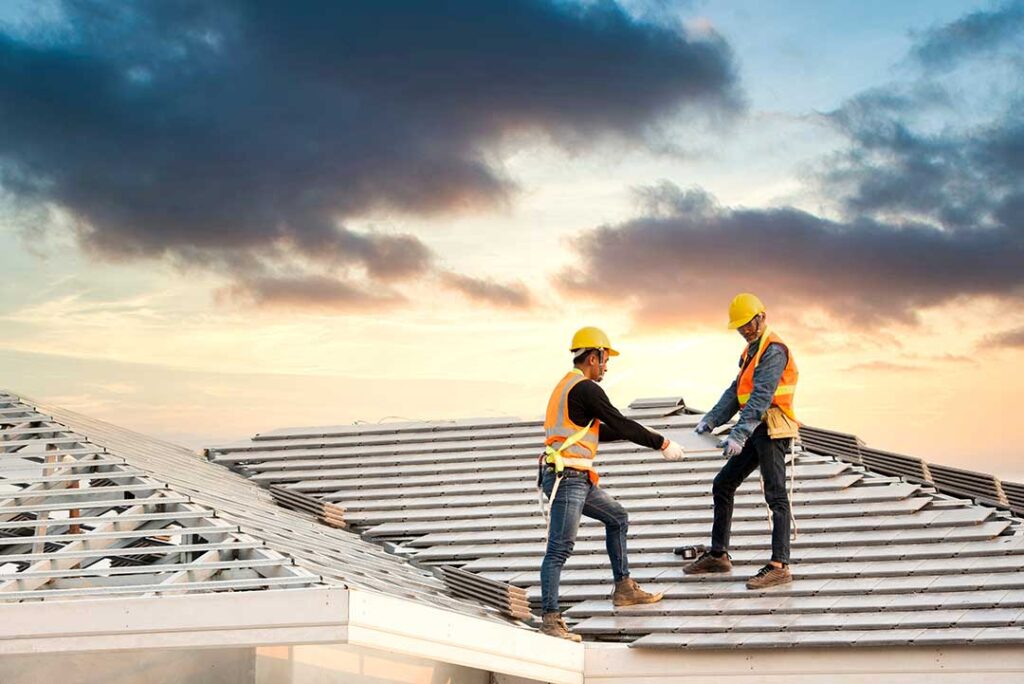
Why rooftop safety deserves extra attention
Roof work is one of the more hazardous household maintenance tasks. A roof may look manageable from the ground, but steep slopes, loose shingles, wet surfaces, hidden damage, ladders, and overhead electrical lines can create serious risks.
In Bloomfield, NY, changing seasonal conditions add another layer of concern. Snow, freezing temperatures, wind, rain, and damp leaves can make roofing surfaces slippery or unstable. Homeowners can reduce risk by inspecting from the ground whenever possible and treating roof access as a safety decision rather than a routine chore.
Should homeowners climb onto the roof?
Homeowners should avoid climbing onto a roof unless the surface is dry, stable, and the task can be completed without unusual exposure to fall hazards. Many inspections can be handled from the ground with binoculars, from an upper window, or from a safely positioned ladder used only at the roof edge.
Do not climb onto the roof when:
- Shingles, metal panels, or flashing are wet, frosted, icy, or covered with leaves
- Snow or ice is present
- Wind makes balance difficult
- The roof is steep, damaged, sagging, or visibly unstable
- You are carrying heavy, awkward, or long materials
- You take medication or have a health condition that could affect balance
- The roof area is near electrical service lines
- You would need to step onto a skylight, plastic covering, or deteriorated roof section
A roof can be unsafe even when it appears intact. Shingles may conceal soft decking, and moss or algae can make footing unreliable. Skylights may also be difficult to identify under snow or debris and should never be treated as walking surfaces.
How can a ladder be used safely?
Most roof-related falls begin with poor ladder setup rather than a problem on the roof itself. Place a ladder on firm, level ground away from mud, ice, loose gravel, and uneven landscaping. The feet should not rest on boxes, boards, bricks, or other materials used to increase height.
Before climbing, check that:
- The ladder is free of cracks, bent rails, missing feet, or damaged rungs
- The top rests against a solid, stable surface
- The ladder does not lean against gutters, unsupported trim, or fragile roofing material
- The area around the base is clear of children, pets, and foot traffic
- Tools are secured so both hands remain available while climbing
- The ladder is not placed near overhead electrical wires
Maintain three points of contact while climbing—two hands and one foot, or two feet and one hand. Face the ladder, climb slowly, and avoid leaning sideways. Moving the ladder is safer than stretching beyond its rails.
A ladder used to reach a roof edge must extend above the landing area enough to provide a secure handhold. If that setup cannot be achieved safely, the roof should not be accessed.
What should be checked from the ground?
A ground-level inspection can identify many early warning signs without creating fall exposure. Use binoculars if needed and look for changes that appear on one roof section but not others.
Useful observations include:
- Missing, curled, cracked, or lifted shingles
- Exposed underlayment or roof decking
- Sagging lines along the roof surface or eaves
- Damaged or separated flashing around chimneys, vents, and roof edges
- Gutters pulling away from the fascia
- Granules collecting heavily at downspout outlets
- Dark interior stains on attic ceilings or upper-floor walls
- Daylight visible through the roof deck in an attic
- Tree limbs rubbing against or resting on the roof
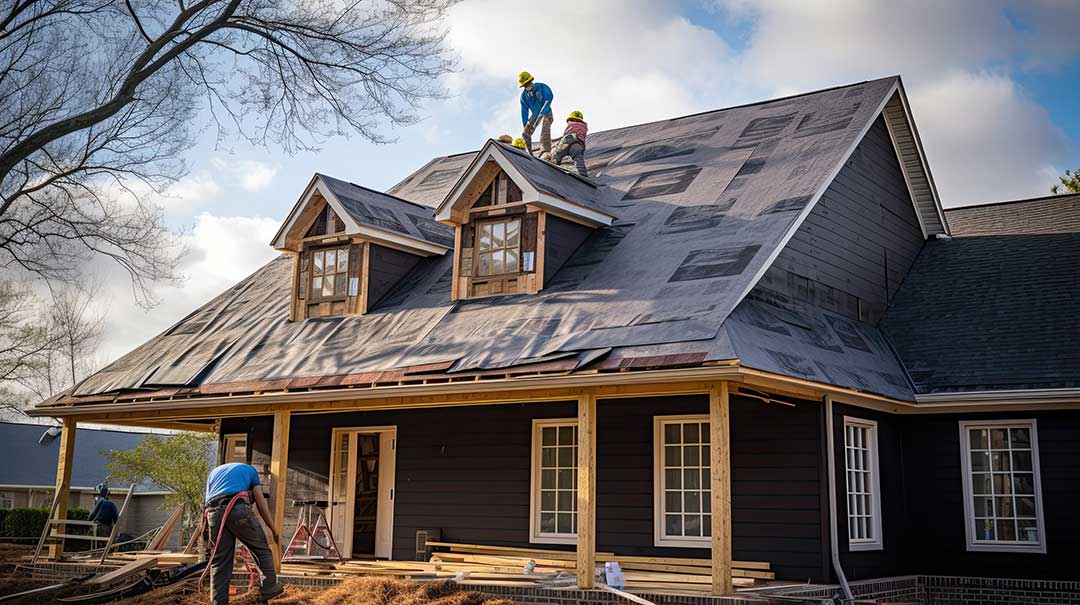
After strong wind, inspect the ground around the house for shingles or metal fragments. Do not assume the roof is safe to enter simply because the damage appears minor. Loose materials can shift, and water may have entered beneath the visible area.
How should snow and ice be handled?
Snow and ice on roofs should not be removed by walking across the roof. The added weight, slippery surface, and possibility of concealed ice make this especially dangerous. Pulling or scraping from the ground can also damage shingles, gutters, flashing, and protective membranes if done aggressively.
Watch for warning signs such as:
- Large accumulations near roof valleys
- Ice buildup along eaves
- Water stains appearing during a thaw
- Icicles hanging above walkways or entrances
- Snow sliding unexpectedly from a metal or steep roof
Keep people away from areas where snow or ice may fall. Do not stand beneath an eave while striking or pulling at ice. Snow that has entered an attic, blocked ventilation, or created structural concerns requires careful evaluation because the visible buildup may not show the full extent of the problem.
What precautions matter during warm-weather maintenance?
Summer roof work can involve heat stress as well as fall hazards. Dark roofing materials become hot under direct sun, and enclosed attics may reach dangerous temperatures. Plan ground inspections for cooler parts of the day, drink water, and take breaks rather than continuing through dizziness, weakness, confusion, or nausea.
Avoid walking on roofs during or soon after rain. Damp shingles may remain slick after the surface appears mostly dry. Morning dew, shaded areas, and roof sections beneath trees can stay wet longer than expected.
Keep tools organized and avoid leaving loose fasteners, blades, or debris on the roof or in gutters. A small object can become a falling hazard or damage the roof surface when stepped on later.
What should be done around chimneys, vents, and electrical equipment?
Roof penetrations and utility areas require particular caution. Chimneys can have loose masonry, damaged mortar, or unstable caps. Plumbing vents may be fragile, and roof-mounted equipment can have sharp edges or electrical components.
Never touch exposed wiring, damaged electrical equipment, or a service mast from a ladder or roof. Keep ladders and long tools well away from overhead lines. Even without direct contact, electricity can arc across a gap.
If a chimney, vent, skylight, or roof edge appears damaged, observe it from a safe location and prevent people from entering the area below if materials could fall. Safety takes priority over making an immediate visual inspection.
When is roof access clearly unsafe?
Roof access should be avoided when a fall could occur without reliable protection or when the roof’s condition is uncertain. This includes steep slopes, soft decking, widespread storm damage, ice, active lightning, strong winds, and roofs that are difficult to reach without climbing over fragile materials.
Professional assistance may be necessary when safety equipment, structural knowledge, or legal compliance is required. This is particularly true for suspected structural damage, large storm losses, electrical hazards, chimney instability, and any situation involving a fall-protection system.
Homeowners can still contribute useful information without climbing. Photographs taken from the ground, notes about when leaks appeared, and observations after wind or heavy snow can help explain what changed and where the concern is located.
How can children, pets, and neighbors be protected?
Roof safety includes the area around the house. Keep ladders stored securely and never leave one standing unattended. During repairs or inspections, establish a clear exclusion zone below the work area so falling tools, shingles, ice, or debris cannot strike someone.
Check porches, decks, driveways, and walkways beneath roof edges before beginning any task. In winter, use extra caution near entrances where ice may fall or meltwater may refreeze. A roof hazard can affect people who never approach the roof itself.
For local households, the safest routine is simple: inspect from the ground, avoid wet or frozen surfaces, use ladders correctly, stay clear of electrical hazards, and treat uncertain roof conditions as a reason to stop rather than improvise.
